
Lagom in Home Design
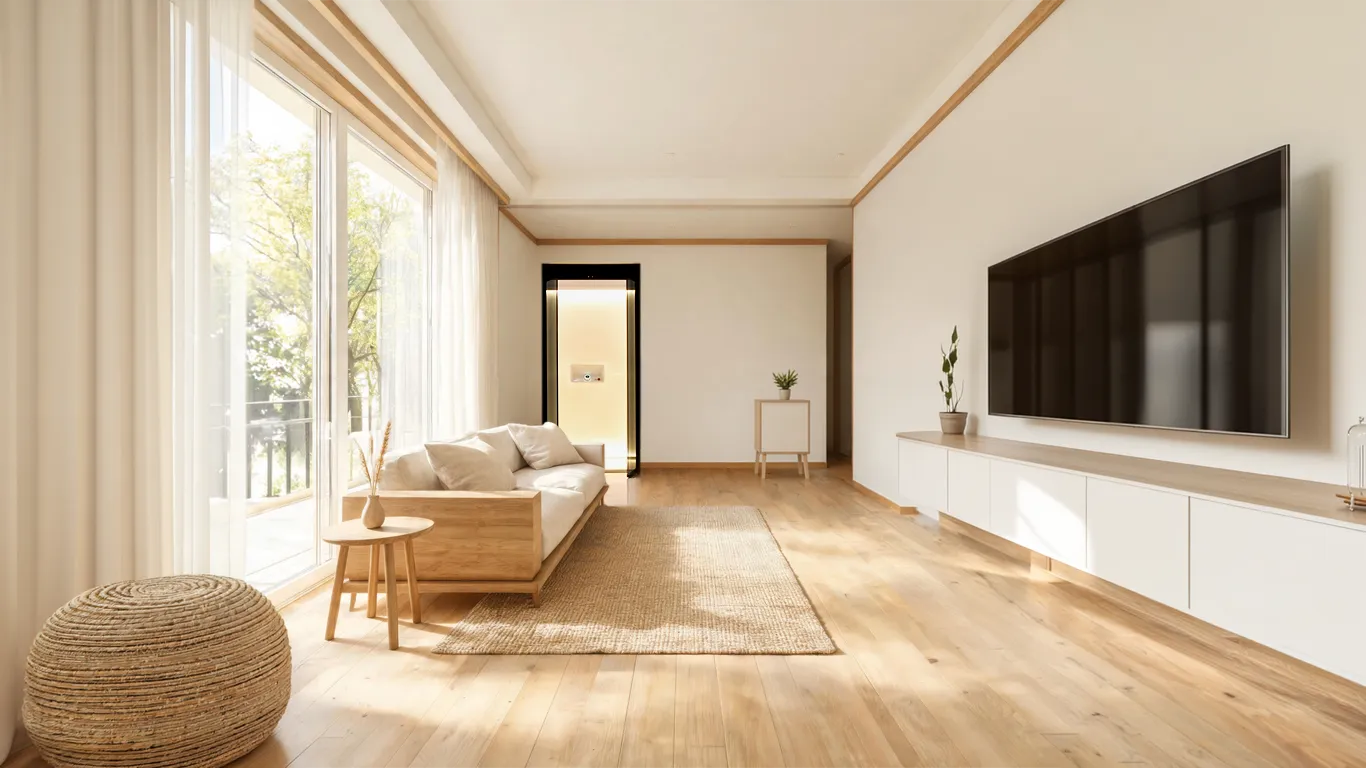
In a multi-storey home, a home lift should not be treated only as a way to move between floors. A well-planned home lift needs to work with the proportion of the space, the circulation flow, the family’s daily needs, and the overall character of the interior.
This is where Lagom becomes relevant.
Lagom is a Swedish concept often understood as “just the right amount”: not too much, not too little, but balanced and appropriate. In everyday life, it reflects simplicity, moderation, and thoughtful decision-making.
In home design, Lagom offers a way to think about space more calmly and intentionally. It helps architects and homeowners create homes that feel functional, comfortable, and well-balanced — including when planning a residential elevator or home lift.
What is Lagom?
Lagom is a Swedish principle of balance. In simple terms, it means something that feels “just right”: not excessive, not lacking, but suitable for its purpose.
In home design, Lagom does not mean a space has to be empty or overly minimal. It is better understood as an approach to creating spaces that feel proportional, comfortable, and not forced.
A home designed with the spirit of Lagom often has:
- balanced proportions;
- sufficient natural light;
- clear function;
- comfortable circulation;
- restrained details;
- materials and interior elements that work together.
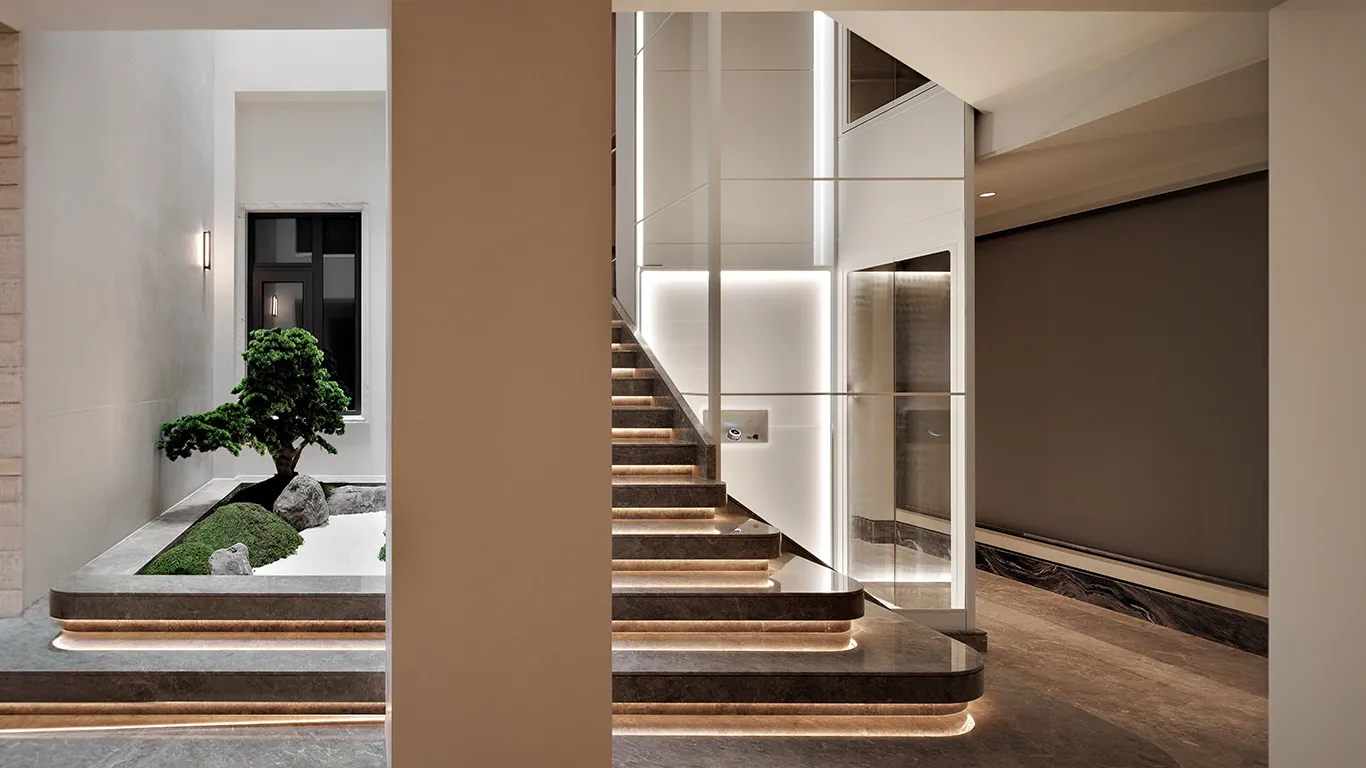
Lagom in Multi-Storey Home Design
In a multi-storey house, spatial balance is not only shaped by the size of the living room, bedrooms, or openings for natural light. The way people move between floors also becomes part of the home experience.
In many residential projects, vertical access is often considered only through the staircase. However, for long-term living, multigenerational homes, or future-ready residences, a home lift is increasingly becoming part of early residential planning.
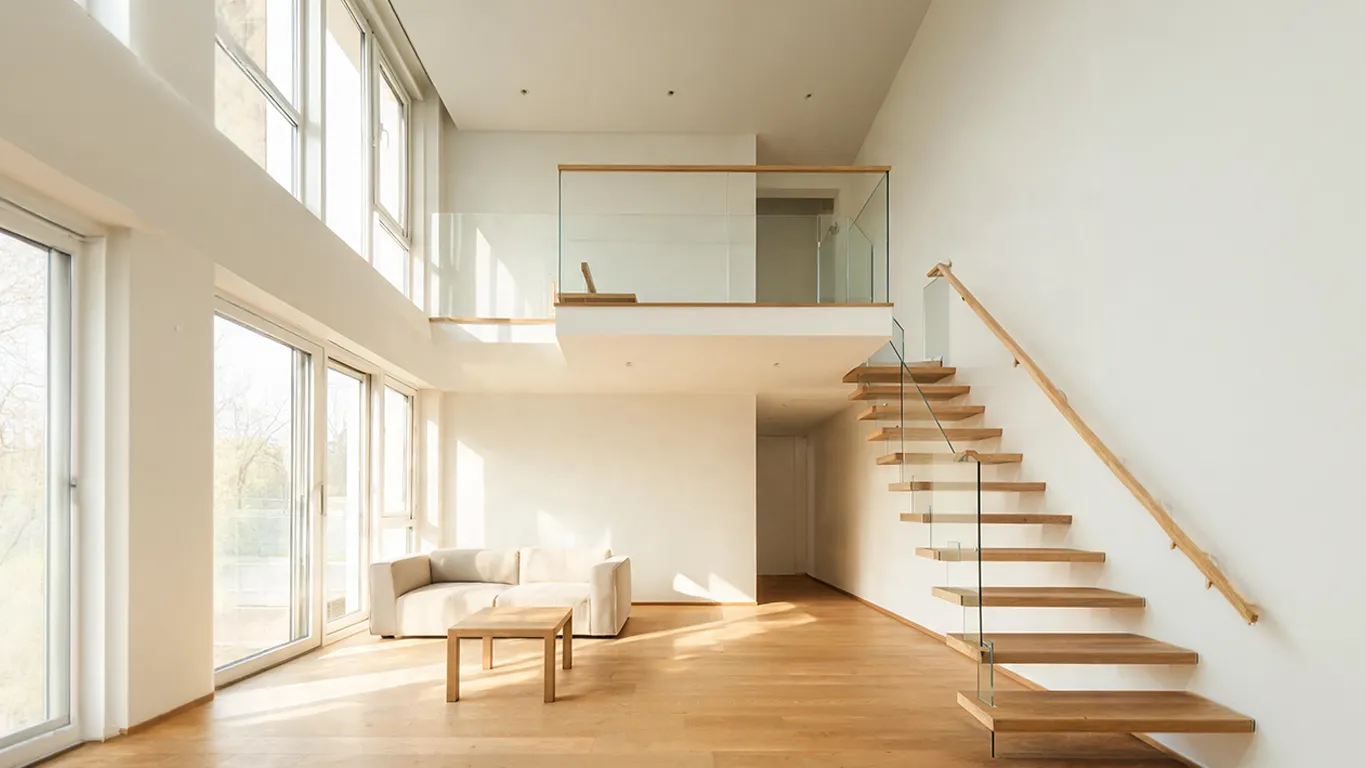
The problem is that home lifts are often considered too late — after the layout is nearly finalized or even during construction. Technically, installation may still be possible. But from a design perspective, late planning can create unnecessary compromises.
These compromises may affect:
- shaft position;
- landing area;
- door opening direction;
- circulation flow;
- relationship between the lift and staircase;
- surrounding interior finishes;
- site access during installation.
From a Lagom perspective, a good design element should not feel forced into the space. It should have the right proportion, clear function, and a natural relationship with the home.
The same principle applies to a home lift.
Why Home Lift Planning Should Start Early
A home lift is not only about providing an empty shaft or vertical void. It also involves structure, electrical requirements, interior coordination, site access, and technical planning.
That is why home lift planning should ideally start during the early layout stage. The goal is not only to make sure the lift can fit, but to ensure the lift becomes part of the home in a more integrated way.
When a home lift is planned early, architects can define:
- a more natural shaft position;
- door orientation that follows the room flow;
- a comfortable landing area;
- the relationship between lift, staircase, and corridor;
- integration with interior finishes;
- technical requirements before construction progresses too far.
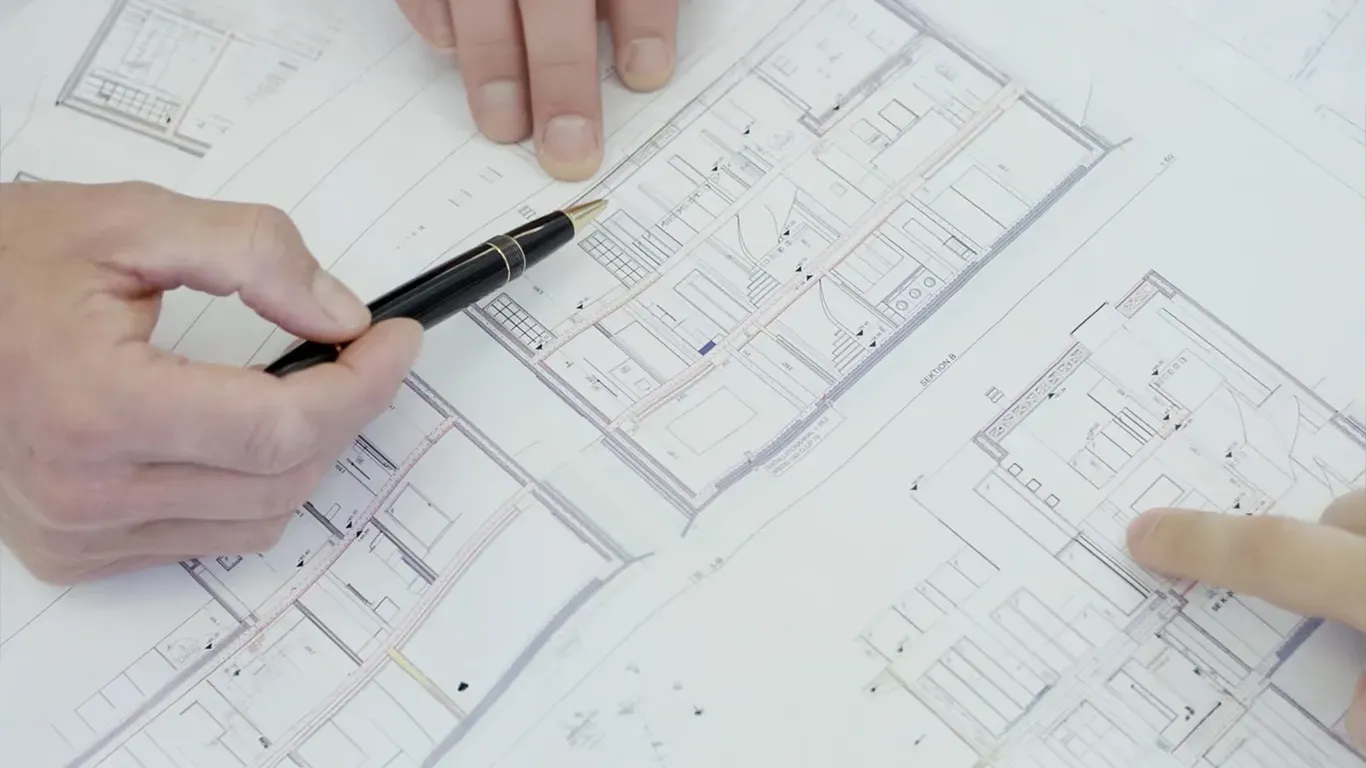
This is what makes a home lift feel more Lagom: sufficient, precise, and not excessive.
It is not added as an afterthought. It becomes part of how the home works.
For architects designing multi-storey residences, Eleváre provides Aritco for Architects as a planning resource for home lift specifications, drawings, and design integration.
An Integrated Home Lift Does Not Have to Disappear
There is a common assumption that an element must be hidden in order to blend into a home. But a well-designed home lift does not need to disappear visually. It can still become part of the interior, as long as its presence does not disturb the proportion and character of the space.
In a premium residence, a home lift can be integrated through the right choice of model, material, color, glass, lighting, panel design, and door configuration.
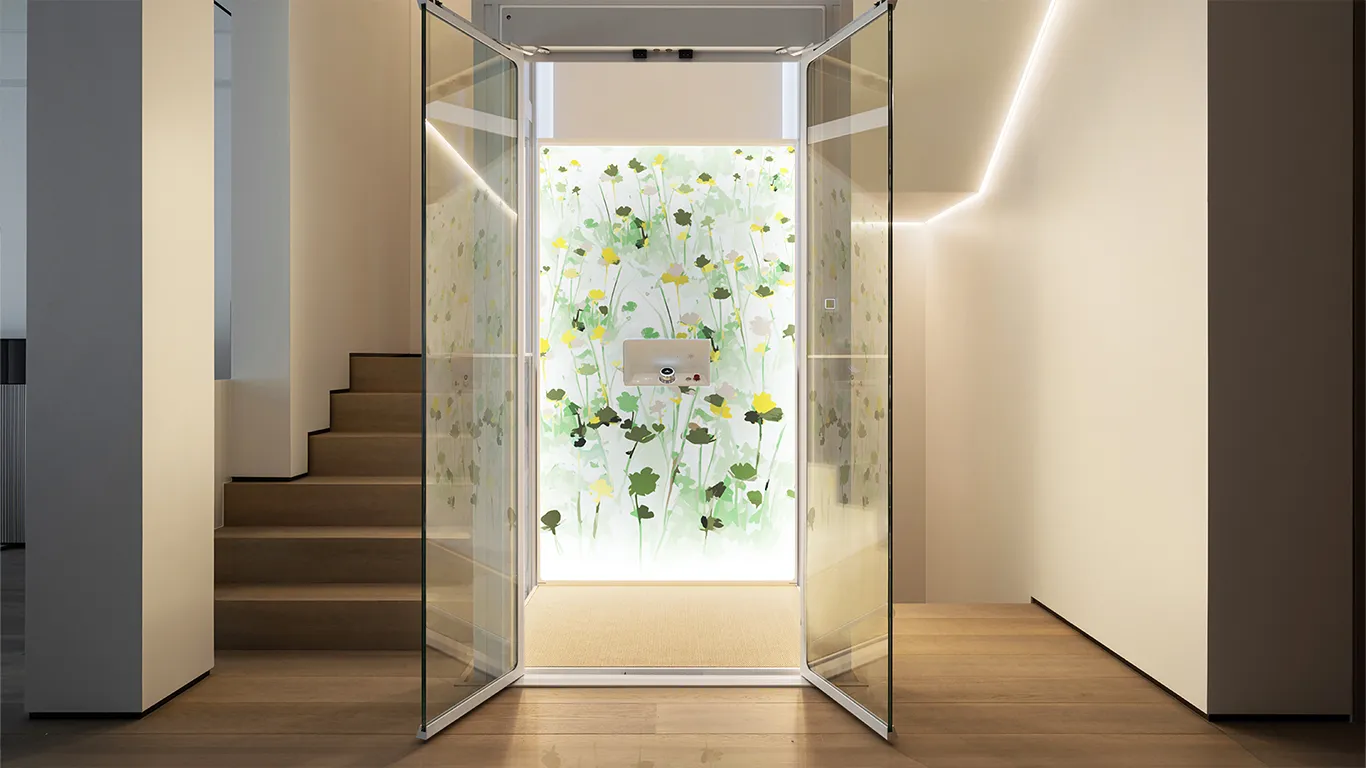
Aritco HomeLift, for example, is a design-led residential model with Scandinavian design language, personalization options, and interior integration possibilities. For homeowners and architects, this allows the lift to become more than a technical feature.
In the Lagom approach, the question is not:
“How do we make this lift the most visible element in the house?”
The better question is:
“How do we make this lift feel right within the home?”
In some homes, the lift may become a refined focal point. In others, it may be more subtle and quietly integrated into the layout.
The important point is not how visible the lift is, but how appropriate it feels.
How to Apply Lagom in Home Lift Planning
1. Position the lift based on circulation, not leftover space
One common mistake in home lift planning is placing the lift in whatever space remains after the main layout has been completed.
A home lift should be considered together with the way people move through the house: from the entrance, living area, bedroom zones, service areas, and upper floors.
A well-positioned home lift makes vertical movement feel natural, instead of creating a separate route that feels disconnected from the rest of the home.
2. Pay attention to the landing area on each floor
The landing area is where users enter and exit the lift. This area should be comfortable enough for standing, turning, opening the door, or moving into the next room.
In a premium home, the landing area also affects the spatial impression. A landing that feels too narrow or awkward can make the lift feel forced, even if it is technically usable.
3. Align door orientation with the layout
The direction of the lift door affects comfort, usability, and circulation.
When considered early, architects can select a door orientation that fits the room layout more naturally. This is especially important for compact homes, narrow corridors, or projects with complex spatial relationships.
For technical references such as platform size, shaft size, and door side, architects can refer to Eleváre’s home lift drawings resource.
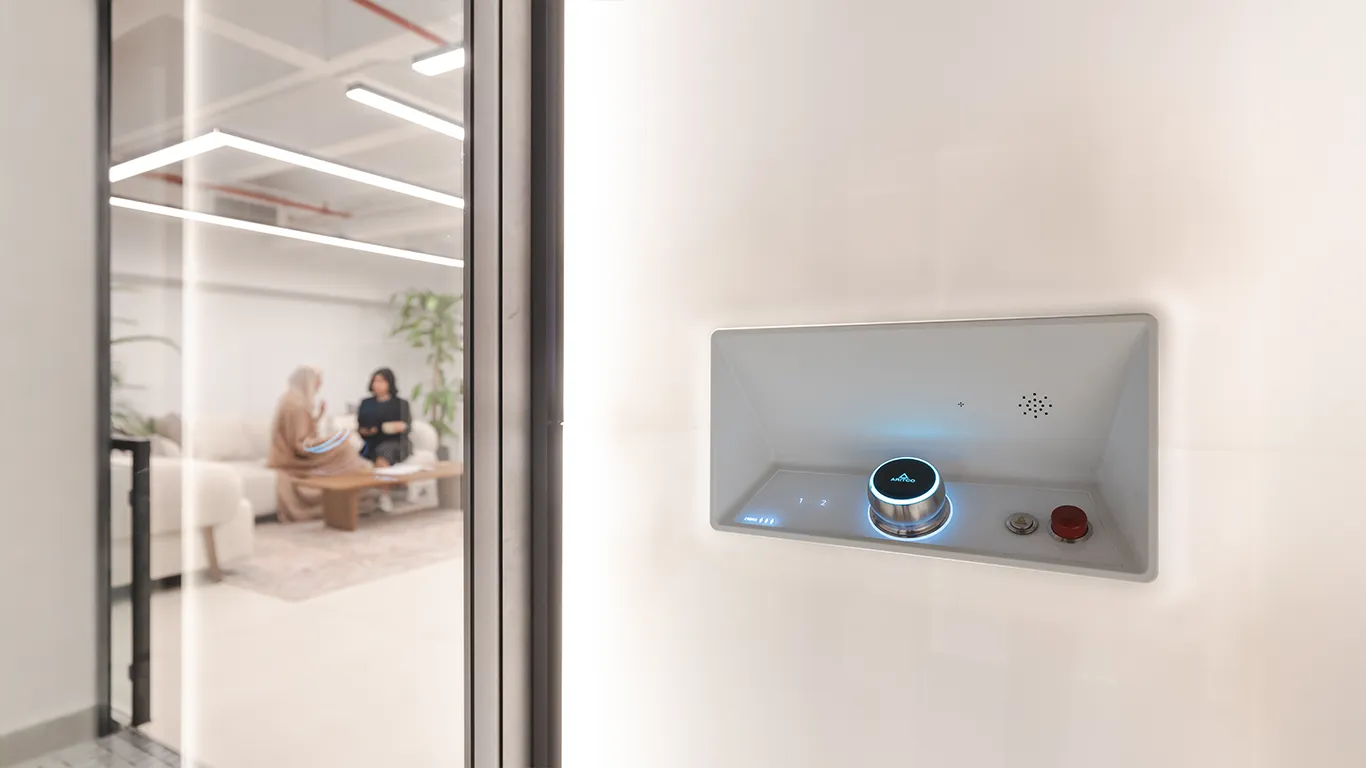
4. Choose the model based on space and user needs
Not every home requires the same type of home lift. A spacious design-led residence may be suitable for Aritco HomeLift. A tighter layout may require a compact home lift. A home designed for elderly users or wheelchair access may need an accessibility-focused model.
The right home lift model should be selected based on layout, function, user needs, and long-term comfort — not only visual preference.
5. Design for today and for the future
Lagom is not only about aesthetics. It is also about making thoughtful decisions for long-term living.
A home lift can support a house that is more prepared for the future: parents living with the family, elderly mobility, changing family needs, or daily comfort in a multi-storey home.
In this context, a home lift is not only an additional feature. It becomes part of future-ready residential planning.
Aritco, Swedish Design, and Eleváre’s Approach
Aritco is a Swedish lift brand known for its Scandinavian design approach and platform lift solutions for homes and public buildings. For Eleváre Indonesia, an Aritco home lift is positioned not merely as a product, but as part of premium residential planning.
Eleváre helps architects and homeowners understand home lift requirements from the early stage: model selection, platform size, shaft position, door configuration, drawing coordination, installation planning, and after-sales support.
This approach aligns with Lagom. A home lift does not need to be excessive. It needs to be right.
Right in function.
Right in space.
Right for the way the home will be used over time.
For users entering the investment consideration stage, the home lift cost page can help explain the factors that influence project estimates, including model, number of floors, platform size, site conditions, and installation requirements.
Kesimpulan: Lagom Membantu Home Lift Terasa Lebih Natural
Lagom teaches that good design does not always require more elements. What matters more is balance: clear function, appropriate proportion, and a space that feels comfortable in daily use.
In a multi-storey residence, this principle is highly relevant to home lift planning.
A home lift that is planned early is easier to integrate with the layout, interior, and circulation of the home. The result is not only a lift that can be installed, but a home lift that feels natural as part of the residence.
For architects and homeowners planning a multi-storey home, the home lift should be considered before the layout is finalized and before construction progresses too far.